Unlocking industrial AI execution at scale.
AAXO’s industrial AI harness delivers trusted guardrails tailored to your facility.
One Governed Loop: Collect, Propose, Act
Every action passes through a gated loop: inside limits you set, with your operator in full control.
Works With the Systems You Already Run
Reads what the plant already emits: historians, PLCs, SCADA, MES. Nothing gets replaced, no new sensors, no production stop to install.
Learns Your Plant Before It Proposes Anything
From your own data it learns how the facility is actually run: the sequences, the setpoints and the workarounds your operators rely on. The first proposals arrive in advisory mode, before anything is written back.
Your Objectives, Your Policies
You decide what the plant optimises for: throughput, energy cost, yield, emissions. You set the limits it stays inside. Both are explicit, and both are yours to change.
24/7 Coordination Across the Whole Facility
One system holding every stage against your objective around the clock, including the hours when nobody is on the floor to make the small adjustments.
Enriched With External Data
The plant only sees its own sensors. AAXO also reads tomorrow’s power price and this afternoon’s weather, so a run is scheduled against what it will cost, not just today’s throughput target.
Privacy and AI safety, built into the core
Every action passes a policy gate and lands on a record you can verify. Guaranteed by architecture, not by policy.
How the governance worksBounded, policy-governed action
Low-risk actions run inside your limits, and anything larger waits for an operator.
Human oversight, bound to the action
Each approval is bound to one exact action, and pause and stop are always available.
Verified execution
Commands travel sealed, and what the control system actually did is confirmed back.
Tamper-evident record of everything
Every observation, proposal and action lands in a hash-chained ledger you can re-verify years later.
Built for any industrial plant. Designed for any tech stack.
-
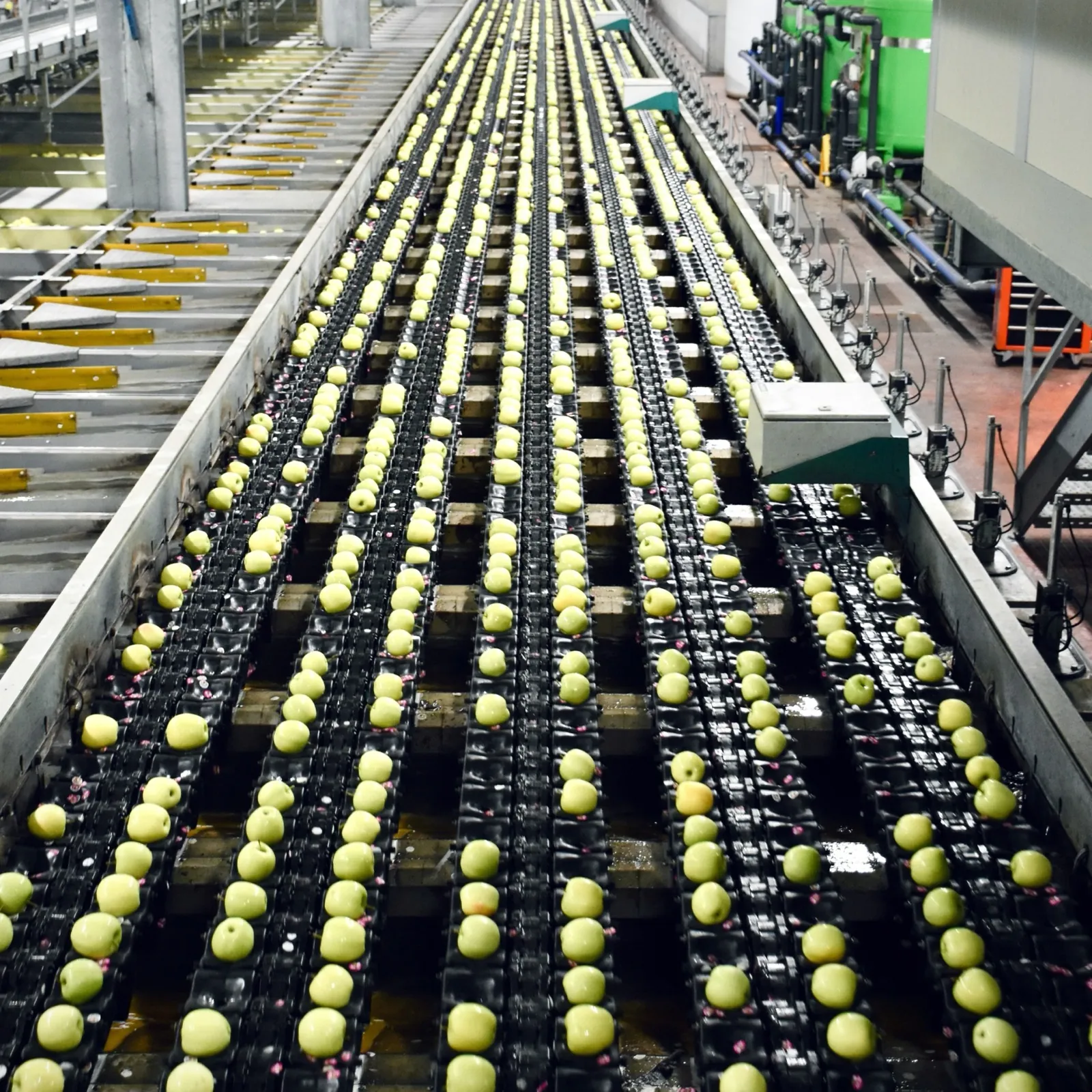
Food processing
Retort, cooker and CIP starts scheduled so steam lumps do not stack. Refrigeration run as a battery inside the HACCP temperature bands.
-
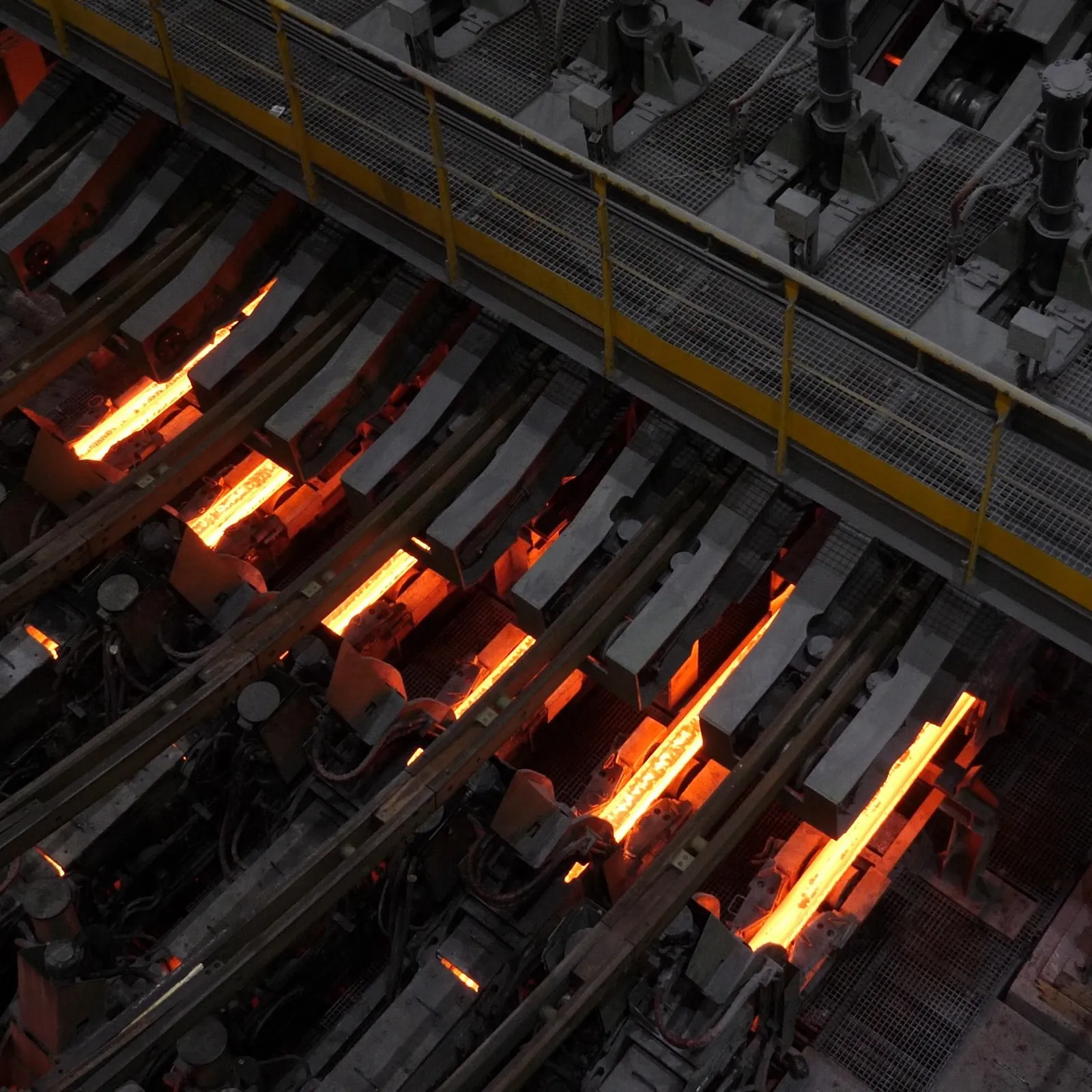
Metal production
Furnace starts staggered so two melts never share one peak. Holding furnaces set against the actual casting schedule, reheat and heat-treatment batches bundled.
-
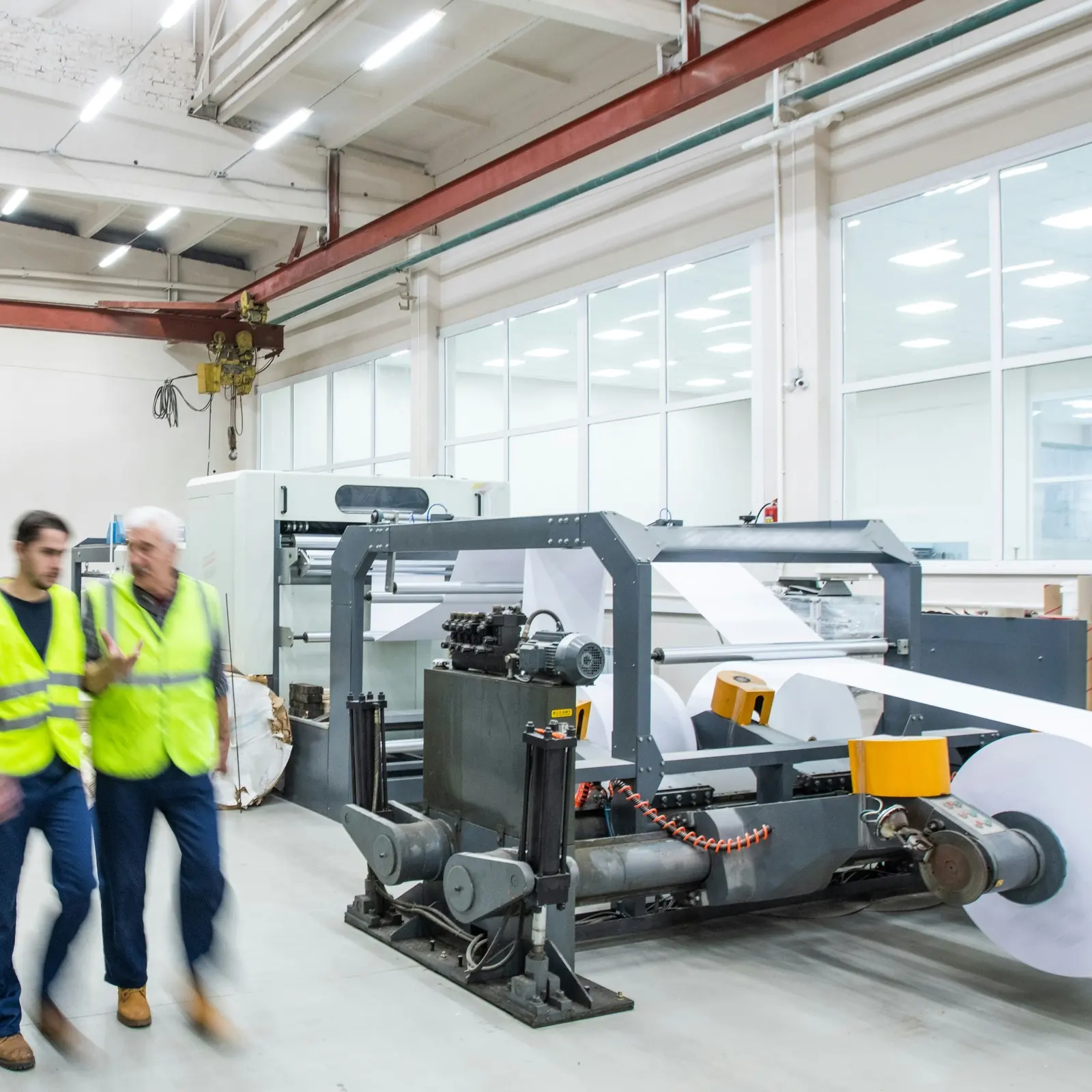
Pulp & paper
Refiner load shifted on chest levels. Steam header coordinated across recovery boiler, power boiler and turbine extraction. Lime kiln and evaporators scheduled in the kraft recovery cycle.
-
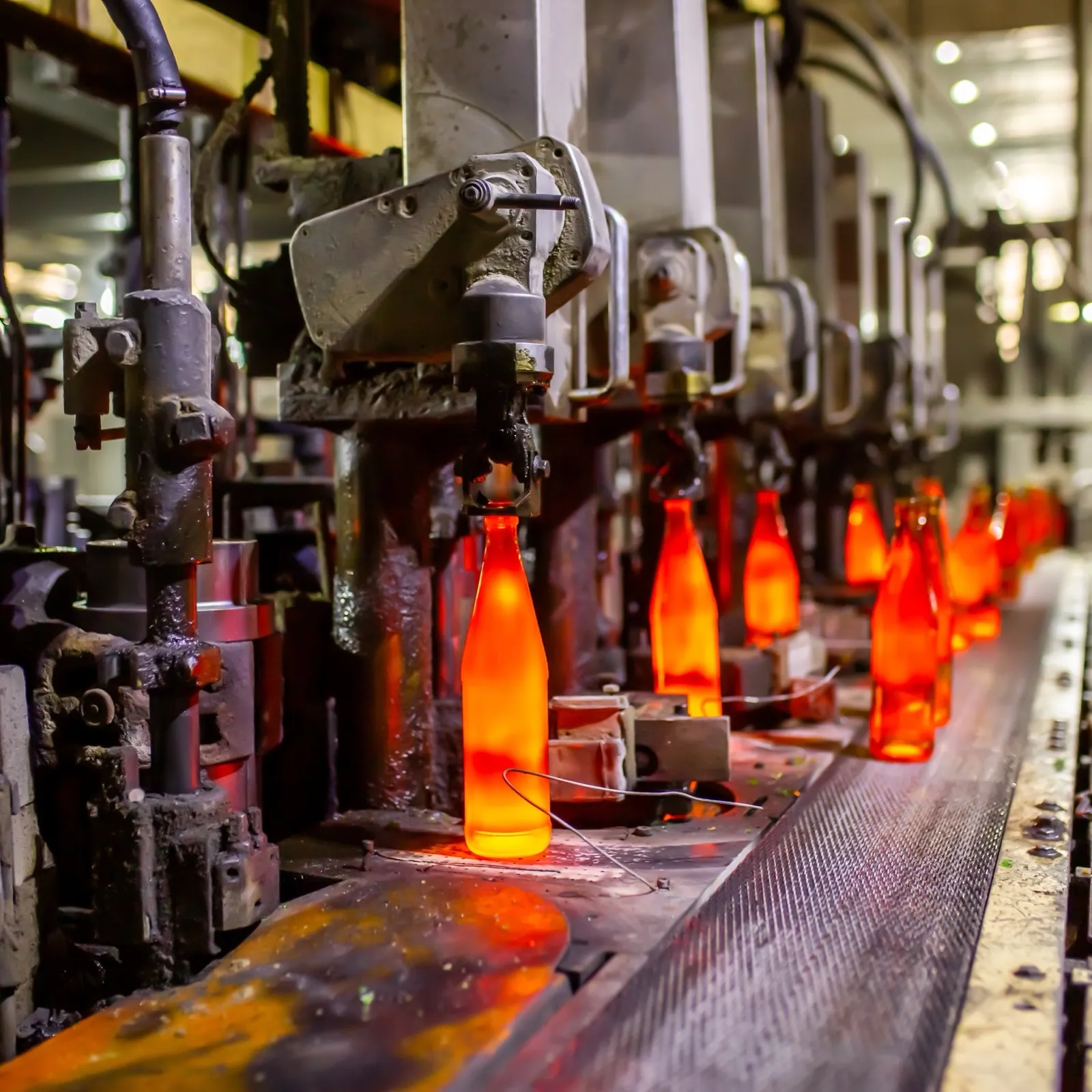
Glass manufacturing
The gas-to-electric boost split chosen against gas, power and carbon price. Cullet ratio, regenerator efficiency and crown temperature read together, lehrs and forehearths held to profile.
-
Chemicals
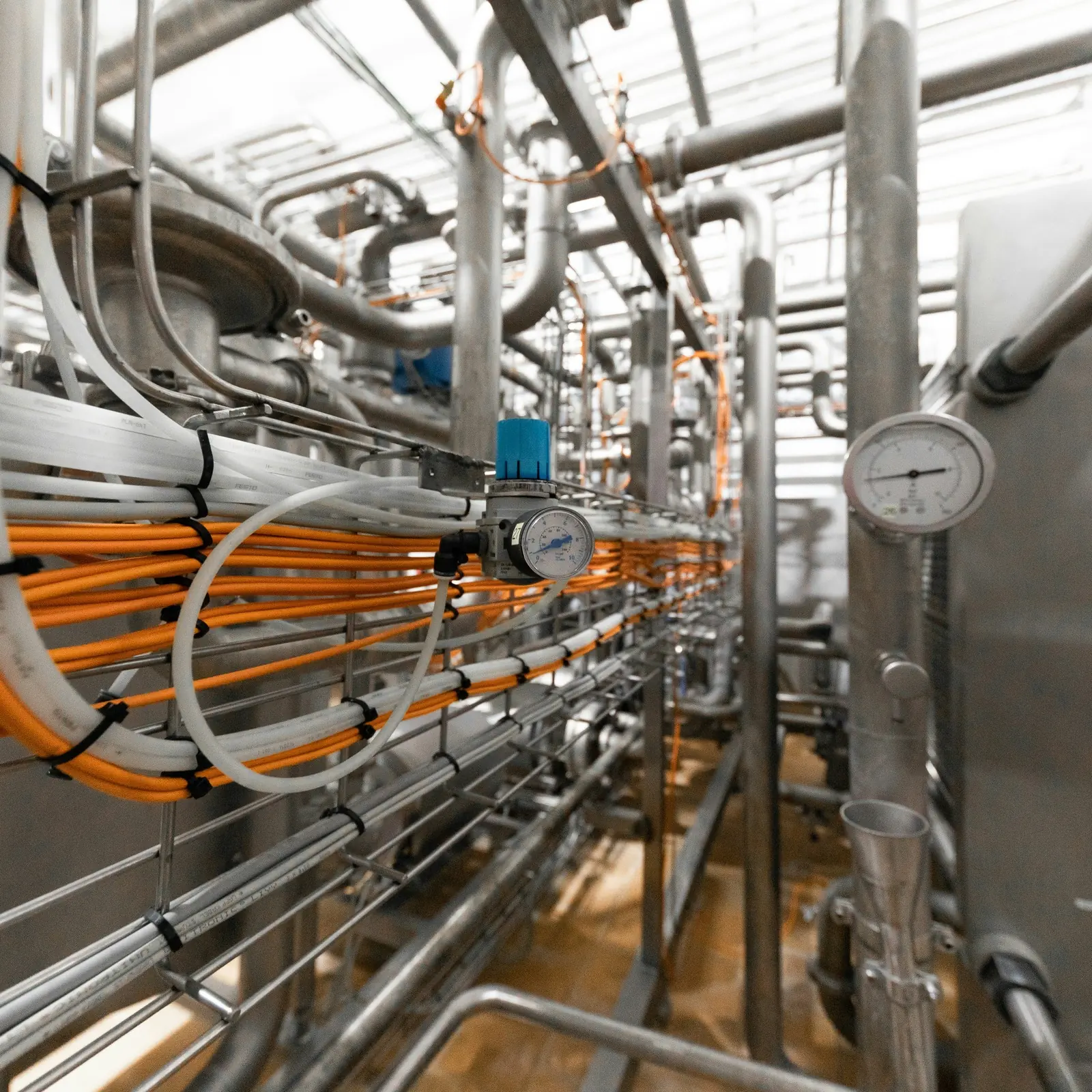
Reboiler duty and reflux held at the edge of the spec, furnaces, compressors and steam staged across the site against the tariff. Chemical plants, refineries and gas processing alike, above the DCS.
Call first. Nothing acts until you switch it on.
A call, a day on your floor and a written pilot proposal, at no commitment. Then let the simulation learn from your site, and advisory mode put what it finds in front of your plant managers.
Site assessment
- Duration
- About two weeks
- Commitment
- None
- NDA
- Signed before the visit
- Output
- Pilot proposal, yours
A 30-minute call comes first. No pilot commitment until we both see the fit.
-
30 min
Call
Which facility you run and what you want to improve. We tell you whether AAXO fits before anyone travels.
-
1 day on site
Site visit
Our engineers with yours, on the floor: historians, PLCs, SCADA and MES, the lines, and the limits your operators keep.
-
1 week
Pilot proposal
A written plan for your plant: how AAXO connects to your systems, what it would act on first, targets, capex and success criteria.
-
3 weeks
Simulation
The pilot starts in simulation. AAXO reads and analyses live data and reports back how it could improve the system. Nothing acts yet.
-
Ongoing
Advisory mode
Run AAXO live with real-time advisory actions for your plant managers. Let it act autonomously when you are ready.
Industrial AI reaches scale only where it is trusted.
A system that runs a plant has to earn its authority: prove it is reliable, secure and controllable before it gets more of it. AAXO is built that way from the core. Governed autonomy, from Europe.
Read why